

A Refugee Family, an ICE Detention, and Good Neighbors Who Became Family
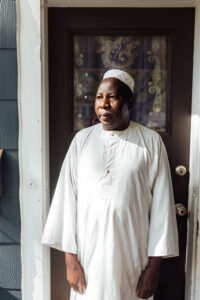
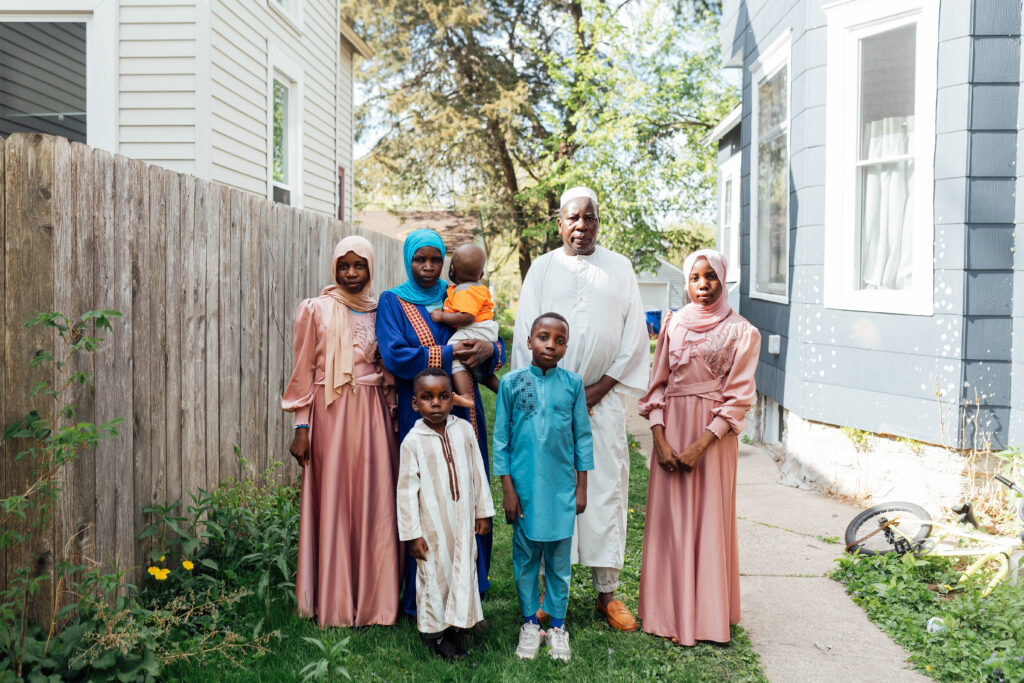
Arbab had made his family a promise. After years in a Chad refugee camp, following their long journey from Sudan, the family finally settled in Minnesota where Arbab told his five boys and two girls they were safe. America, he assured them, was different. Then one evening, ICE came for his son.
Aborodea, a young adult refugee with legal documentation in hand, was arrested on his way to work and transported more than 1,500 miles away to Texas. His family didn’t know if he was alive or how to find him.
A team of Arrive Ministries volunteers including Tim Fletcher, a retired engineer and Michael Forbes, a middle school teacher, were about to discover what it means to be a faithful community.
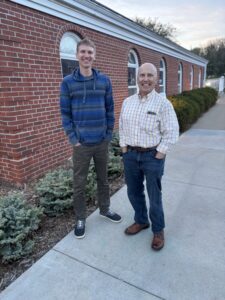
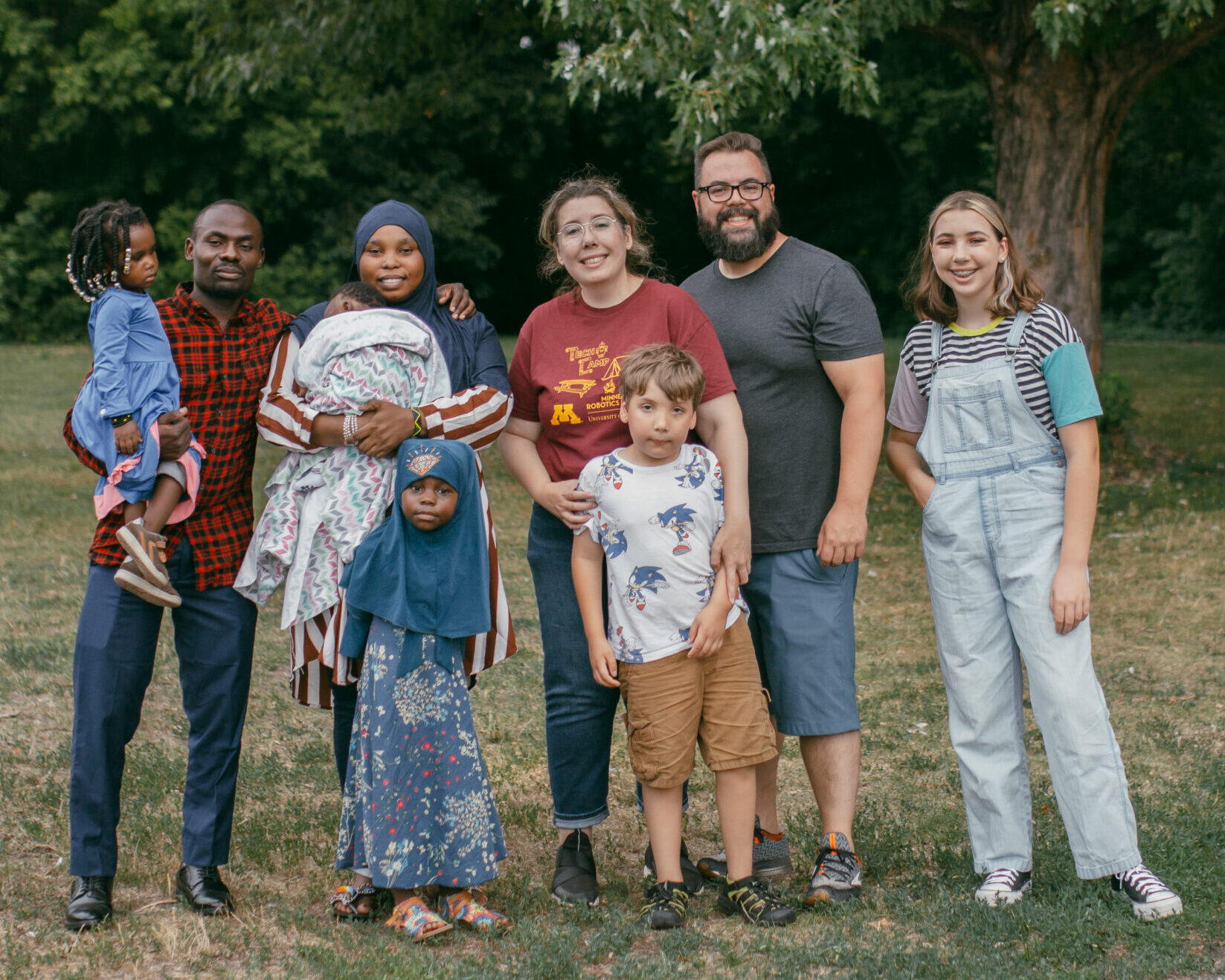
Tim and Michael, along with a handful of other volunteers from First Presbyterian Church in White Bear Lake, had spent the past 7 months walking alongside Arbab’s family through Arrive’s Good Neighbor program. They’d helped the family navigate county benefits, deal with household issues, and enjoyed spending time together.
Now they sat in the family’s living room late at night, making phone calls to hospitals, impound lots, and police, not finding any clues as to Aborodea’s whereabouts.
I will never forget the faces of Arbab and his wife crying at midnight when we had to leave,” Tim said. “We couldn’t even tell them that their son was alive.”
After a sleepless night for everyone, Tim and Michael continued doing whatever they could to find their missing friend, including driving around looking for Aborodea’s parked car, until his younger sister called and told them Aborodea was with ICE.
“We were with his dad in the car when he raised his hands and celebrated because his son was alive, but we knew that being with ICE was not good,” said Michael.
The duo visited the Whipple Federal Building in Minneapolis with plans to bring him home, assuming this was a mistake to arrest a refugee with legal status. Twice they went inside, twice they left without him. Months earlier, the volunteers had helped the family make photocopies of their immigration documents, so Aborodea had his refugee papers, work permit, and proof of his pending green card application with him.
For Aborodea, the detention was disorienting and inexplicable.
I wasn’t afraid,” he said, “but I don’t understand why I was arrested. I had everything.”
They handcuffed him without explanation, and wouldn’t let him make a phone call. Aborodea was among the first refugees arrested as part of the federal government’s Operation PARRIS in Minnesota. A national injunction has since been issued against arresting refugees.
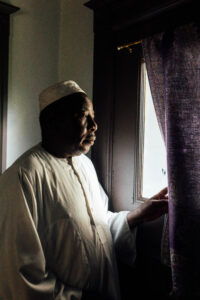
When ICE took Aborodea to Texas, we were afraid and we stayed at home,” Arbab recalled. “I did not work for 41 days. My children did not go to school for weeks.” The family stayed indoors with the curtains drawn closed.
What frightened Aborodea most was the silence. “For 11 days (in detention), no one even talked to me.”
What unfolded over the next eleven days was extraordinary. A landlord put rent on hold without being asked. Utility companies offered grace periods. A former student from the church youth group grew up to be an attorney and connected Arbab with a top immigration lawyer in Minnesota. When ICE agents came to the family’s door, the young daughters refused to open it.
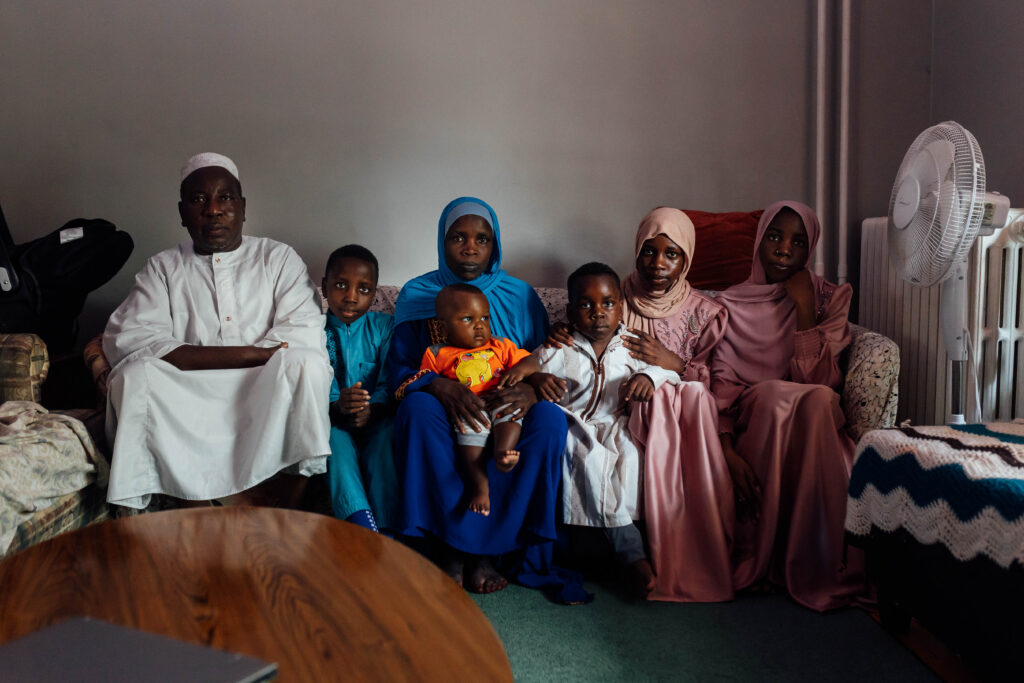
These girls are so sweet, and it blows my mind that when armed agents knocked on the door, and said, ‘Open up.’ The girls said, ‘No,’” said Michael.
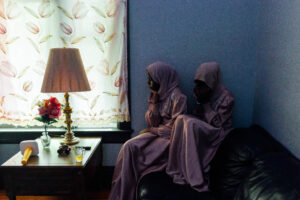
The girls had remembered the know-your-rights red card that Arrive Ministries had given the family, and the conversations the Good Neighbor team had practiced with them.
The volunteers advocated for the family of nine in any way they could: teaching school to the children, delivering groceries, sewing curtains for the windows so ICE couldn’t see inside, and gathering donations since their primary wage earner was in detention.
When word finally came that Aborodea had been released in downtown Houston with no warning and no transportation, Tim and Michael called a connection named Pastor Chris, who arranged for an Uber, washed and provided him clothes, and cooked food from his native country. Tim and Michael immediately booked flights from Minneapolis to Houston with plans to drive Aborodea home.
As we were driving to Minnesota from Texas,” Michael reflected, “it wasn’t just Tim, Aborodea, and me in the car, there was a massive community that poured into this one family with us.”
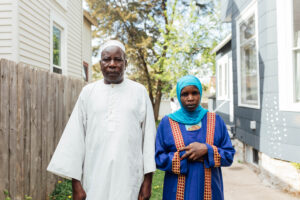 They pulled into his family’s driveway in the early morning hours of January 21, but Aboradea hesitated, worried that ICE might apprehend him. Tim and Michael walked him inside, into the embrace of his family.
Aborodea shared his appreciation for his new friends:
“They came to visit my family every day when I was detained, also when I came back. My friends are very good guys,” he said.
We love them and they love us also.”
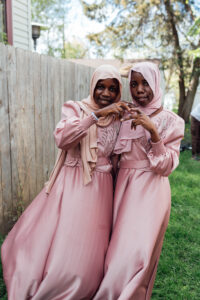 The family is rebuilding; Arbab and Aborodea have new jobs, the children are back in school. Though fear still lingers at the edges, Arbab has not given up on the promise of safety and opportunity he made to his family.
In the future,” he said, “I hope my kids get an education. We want to buy a house. We are happy here.”
“This whole experience changed my life, and this family is family for the long haul now,” said Michael.