





Leaving Norway’s Unsustainable Soil for a Sod House in South Dakota
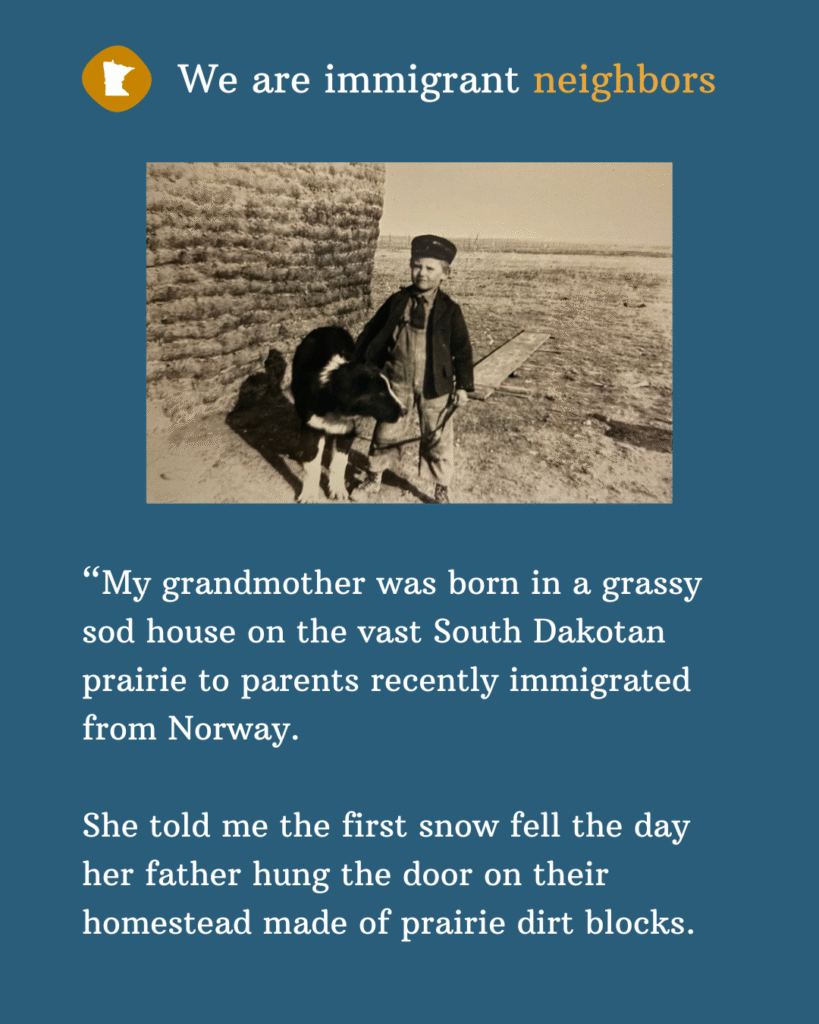
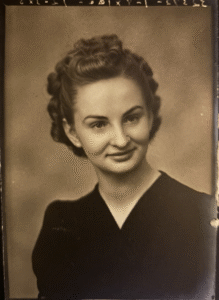
My grandmother was born in a grassy sod house on the vast South Dakotan prairie to parents recently immigrated from Norway. She told me the first snow fell the day her father hung the door on their homestead made of prairie dirt blocks.
I often think of the trajectory her life took; planted in the unfamiliar soil of a foreign land, reaching for English words, she grew through educational opportunities that eventually bloomed into a bench chemist position at 3M where her name appears on a patent for electrical tape.
What pushed my ancestors to board a boat destined for strange uncertain futures? The same pull that calls immigrants of any origin, of any time: the desire for better, for safety, for belonging. Ultimately, in the hope for a verdant future unattainable in the left behind ground that couldn’t sustain life.
My great grandparents clung to that future vision during their first brutal wind-swept winter, hopeful their children would flourish in this country.
We are privileged to live in a nation that has provided refuge, opportunity and belonging to so many, including my grandmother. I pray that heritage continues.
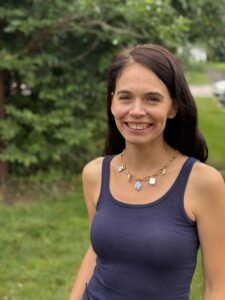
-Ruth LePage is Arrive Ministries Director of Refugee Services
Fleeing on Foot in Search of Safety
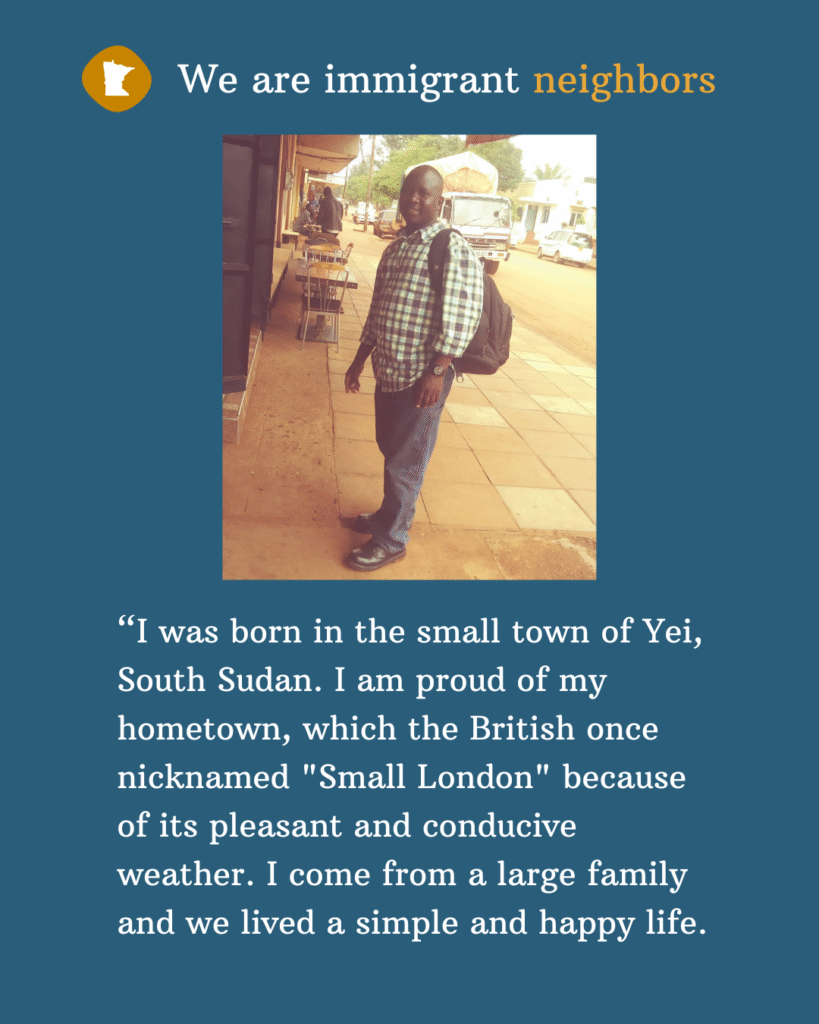
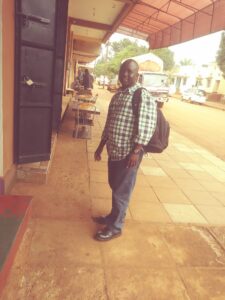 I was born in the small town of Yei, South Sudan. I am proud of my hometown, which the British once nicknamed "Small London" because of its pleasant and conducive weather.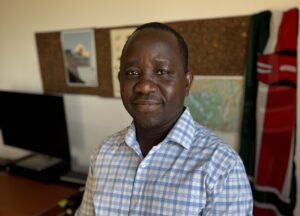
On the Run Under the Protection of the Enemy
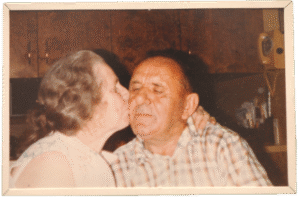
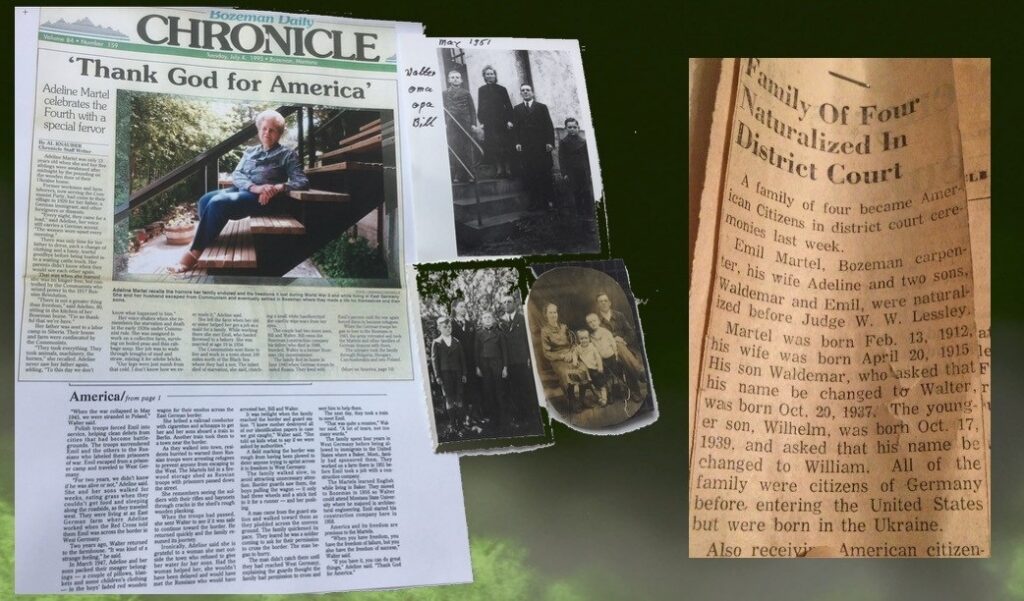
My grandparents — whom we knew as Oma and Opa — are the actual family in Mark Sullivan's The Last Green Valley. Emil and Adeline Martel were part of a community of ethnic Germans whose ancestors had farmed the fertile lands of Ukraine for over a century. The Czar had invited their forebears to Ukraine for their skill in growing winter wheat, which fed the Russian Empire. But the world they built was being torn apart.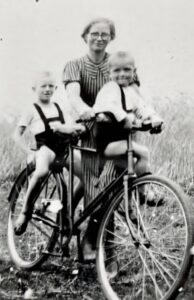
Under Stalin, many of these farmers were deported to Siberia, and his policies led to millions dying in the 1932–33 famine — a tragedy woven into our own family's history. In late March 1944, as Stalin's forces pushed deeper into Ukraine, Oma and Opa faced a terrible decision: wait for the Soviets and risk Siberia, or flee westward with their two sons, Walter (my dad) and William (my Uncle Bill), under the protection of Nazi officers they despised.
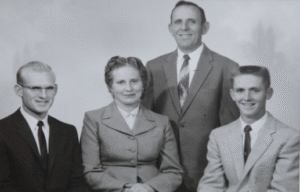
They chose to run — sustained by love for each other, their children, and an unshakable faith in God that carried them through the darkest moments. They clung to a dream of a green valley in the West where they could live freely and build a new life. That dream and that faith brought them to the United States — where both would often say, "I thank God for America."
-Chuck Martel is on the Arrive Ministries Board of Directors
Putting Down Roots After a Difficult Journey
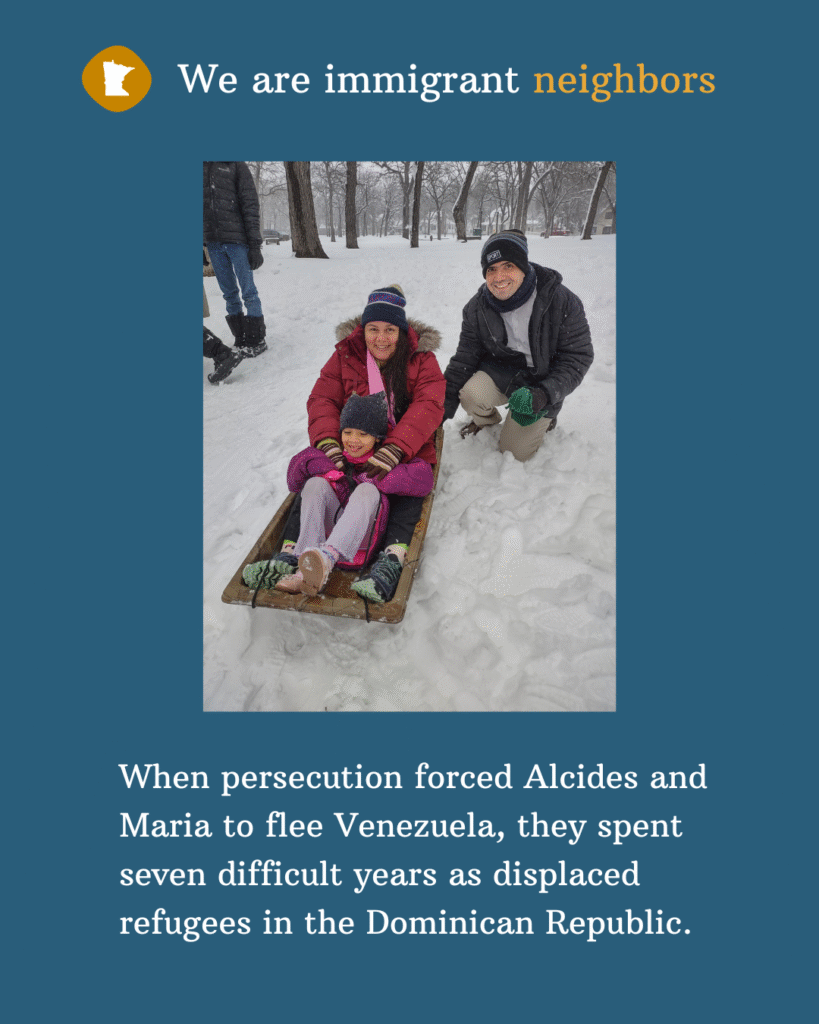
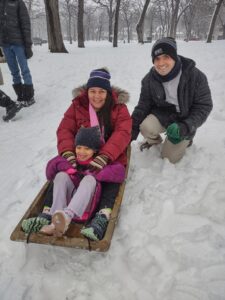 When persecution forced Alcides and Maria to flee Venezuela, they spent seven difficult years as displaced refugees in the Dominican Republic. While there, they faced food insecurity and flooding that destroyed what little stability they had regained.
In spring 2023, Arrive Ministries resettled their family in St. Cloud. We secured housing, enrolled the adults in English classes and the children in school, and connected them with a church community. Good Neighbor volunteers even took them sledding on their first day in Minnesota! Alcides was determined to find work quickly, committed to never letting his family experience instability again.
Over the next year, Alcides and Maria worked tirelessly toward self-sufficiency. With support from volunteers and their church, they earned driver’s licenses and obtained Green Cards, taking steps toward U.S. citizenship. Maria volunteered in our donation room.
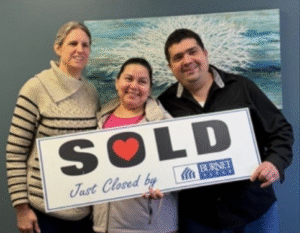 In February 2026, Maria and Alcides purchased their very first home. She and Alcides took a photo proudly holding a sold sign standing next to the Good Neighbor volunteer who welcomed their family on their first day in the U.S.
From Germany in Search of Opportunity
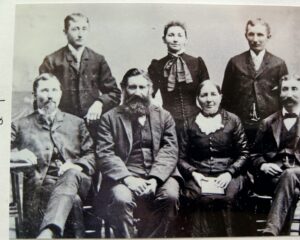
My Great Great Grandfather, Frederick Mixdorf was born in Vahnerow, Germany in 1829. There he attended school until the age of 14 when he began to train as a tailor. After a short time doing that, he realized that he did not like it much at all, so he quit and became a farmer.
He left Germany in 1857 due to economic depression and the rumblings of war.
He got on a steamer from Hamberg to Quebec, with hopes of getting to the USA, pulled by the USA’s reputation for more opportunities, as he did not have much at all in Germany.

From Quebec he traveled to Chicago, where he was connected to a Lutheran church that helped him establish himself in the USA. Later, he moved to Milwaukee where he worked on a small farm, and he eventually moved to Iowa where he settled down.
-Gabe Kuecker is an Arrive Ministries Employment Counselor
*My last name used to be Küker but was changed to Kuecker when my family came to the USA.
Policy Changes Leave Refugees in Limbo Days Before Family Reunion
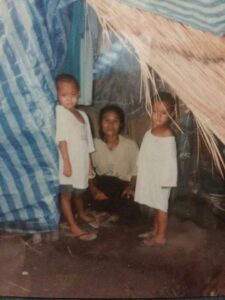
Ro arrived in Minnesota more than a decade ago with his parents and siblings, sponsored by an aunt in St. Paul. He spent his early childhood in a Thai refugee camp near the Myanmar border that was burned down by armed men in 1998. 6-year-old Ro and his family then fled to the Umpiem refugee camp in 1999, where they lived in a bamboo hut for more than a decade. The few available jobs in Umpiem required grueling outdoor labor. Ro is part of the Karen ethnic group that has endured decades of living in refugee camps after fleeing conflict and human rights abuses in Myanmar.
Ro met his wife, Meenge, at school in Umpiem and returned to Thailand to marry her. Their daughter, JuJu, was born in 2020. Since becoming a U.S. citizen, Ro has only managed a few brief visits, and the family mostly connects through Facebook video calls.
“We are not refugees by choice. Refugees face lives of hardship,” Ro told a newspaper reporter. “Coming here is our American dream. Refugees are not lazy. We work and pay taxes.”
In the winter of 2025, Meenge and JuJu were days from resettling in St. Paul through Arrive Ministries when federal policy changes to the Refugee Admissions Program in January 2025 abruptly canceled their trip, leaving them stranded in the Thai camp. Ro says the policy shift extinguished their family's hope for safety and opportunity. The separation from his wife and daughter has left him heartbroken. Ro wants his wife and daughter to have the many opportunities offered in the U.S., especially going to a good school for JuJu.
“It’s unfair. I want my family to be together,” Ro said. “Coming to the U.S. changed my life.”
The family’s best chance at reunification is for resettlement restrictions to end, but there is no timeline for that to happen in the near future.