

A reflection on the impact of public transit and transportation design for our refugee and immigrant neighbors
Have you ever wondered how our new refugee neighbors get around the metro? From Stillwater to St. Cloud, mobility is important no matter where refugees end up living in Minnesota. In a country like the United States with car-centric infrastructure, transportation is often a challenge for new Americans without a driver’s license. I am struck by the perseverance needed by our refugee friends to walk for miles next to the roar of traffic to get groceries, or slog through congestion as the bus snakes its way through the city, hoping they make it to work on time.
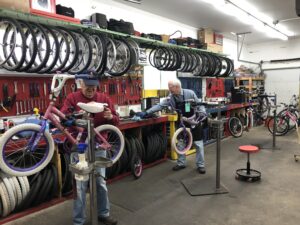 One way refugees fill their transportation needs is by biking. Arrive has often partnered with Bikes4Kids in Ham Lake to provide bicycles that have been caringly refurbished by their volunteers to refugee families. It’s a joy to hear stories of excited families receiving bikes through this program! For all ages, a bike can make access to school, grocery shopping, and work much easier, but due to having to ride next to vehicles driving at fast speeds, it’s often unpleasant and dangerous.
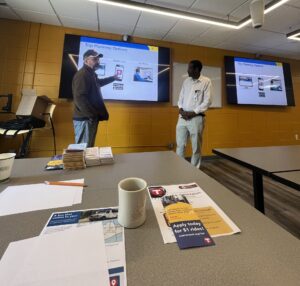
We recently hosted a representative from Metro Transit to share with our new neighbors on how to access the public transit systems in the Twin Cities. It was a joy to see our immigrant neighbors empowered and equipped with the tools to feel comfortable taking public transit.
Public transit is usually the backbone of transportation for our new refugee neighbors. When I visit families, I often hear how they are worried about getting lost if they take the bus. A Karen woman shared with me that in the refugee camp, there are no roads, no buses, no cars, so it’s very intimidating to learn. Having a Good Neighbor friend who is willing to learn together how to take public transit can open a new world for families!
I encourage everyone reading to spend a week trying to walk, bike, or ride transit to their destinations. I’m sure you will find that Americans have largely structured their life around where they can go in a car. What is a quick, air-conditioned ride in a car is a long, hot trek across an asphalt sea for those on foot.
I write this not as motivation for us to help our refugee friends get driver’s licenses as quickly as possible, although that might help their transportation needs in the short term. Instead, I encourage us to consider how we might influence our cities and their policies to bring dignity and accessibility to all people, no matter their mode of transportation.
If you wish to learn more about how transportation design impacts our communities and country, I encourage you to visit Strong Towns. If you’d like to engage in advocacy for more equitable transportation design, visit your city’s website to learn which projects they’re working on and how you can give your input.
Katie is a Good Neighbor Coordinator at Arrive Ministries